
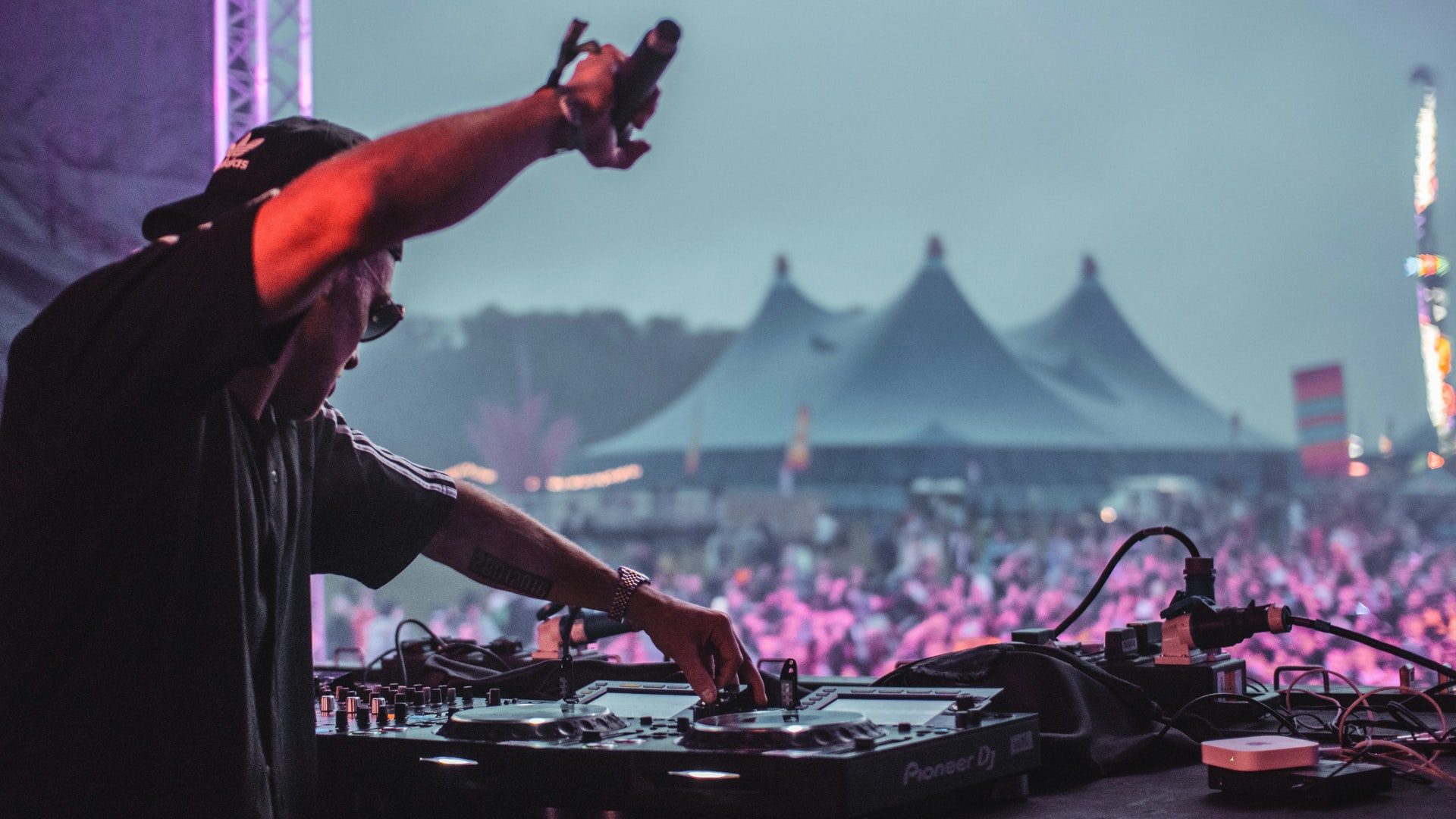
From dimly lit underground venues to massive festival stages, vaping culture has woven itself into the fabric of Canadian music, with artists like Drake and The Weeknd openly embracing strawberry vape juice Canada and other flavors during performances. This intersection of vaping and music has reshaped concert experiences across the country, influencing everything from venue policies to artist merchandise.
The past five years have witnessed a dramatic shift in how Canadian musicians and fans interact with vaping culture, particularly in indie rock scenes from Toronto to Vancouver. As traditional smoking areas disappear from music venues, vaping lounges and designated zones have emerged as new social hubs where artists and fans connect, collaborate, and create.
This cultural phenomenon reflects broader changes in Canada’s entertainment landscape, where vaping has evolved from a simple nicotine alternative to a lifestyle statement embraced by musicians and industry professionals alike.
From Green Rooms to Concert Halls: Vaping’s Backstage Pass
The New Smoke Break
Gone are the days when musicians huddled in alleyways for a cigarette between sets. Today’s Canadian music scene has embraced vaping as the modern alternative to traditional smoke breaks, transforming backstage culture in unexpected ways.
“It’s actually made rehearsals more productive,” says Toronto-based indie artist Sarah Chen. “We can take quick hits without leaving the studio, and there’s no lingering smell on our clothes or equipment.”
The shift has also created new social dynamics. Touring musicians report that sharing vape devices has become a way to bond with fellow artists and crew members. The variety of flavours has sparked conversations and taste-testing sessions that have replaced the ritualistic passing of cigarettes.
However, this evolution comes with its own set of considerations. Many venues now include vaping in their backstage policies, creating designated areas that accommodate both traditional smokers and vapers. Some artists have even incorporated their vaping habits into their pre-show routines, using it as a moment of calm before hitting the stage.

Venue Policies & Practices
Canadian music venues have been evolving their policies to address the growing prevalence of vaping among concert-goers. Many major venues across the country now treat vaping similarly to smoking, requiring patrons to use designated outdoor areas. Some smaller clubs and indie venues have created specific vaping zones, separate from traditional smoking sections, to accommodate their clientele while maintaining air quality inside.
Toronto’s landmark venues like the Horseshoe Tavern and Lee’s Palace have implemented strict no-vaping policies indoors, with clear signage and security staff trained to enforce these rules. Meanwhile, festivals like Osheaga in Montreal have incorporated vaping considerations into their harm reduction strategies, providing designated areas and clear guidelines for attendees.
Vancouver’s scene has taken a particularly proactive approach, with many venues installing advanced ventilation systems and creating outdoor lounges that cater to both smokers and vapers. Some venues have also started partnering with health organizations to provide information about vaping regulations and safety guidelines.
The enforcement of these policies varies by province, reflecting different regional approaches to vaping legislation and local music culture preferences. As of current regulations, nicotine concentrations in e-liquids sold in Canada are capped at 20mg/ml in most provinces, though this can vary by region.
Artists Speaking Up: Health & Creative Impact

Voice & Performance Effects
Many Canadian vocalists and performers have reported mixed experiences with vaping’s effects on their vocal performance. Toronto-based singer-songwriter Sarah Martinez shares, “I switched from smoking to vaping thinking it would be better for my voice, but I’ve noticed I need to hydrate much more during shows to maintain vocal clarity.”
Several vocal coaches across the country have observed that while vaping may be less immediately harsh than traditional smoking, it can still impact vocal stamina and breath control. Montreal vocal coach Jean-Pierre Dubois notes, “My students who vape often experience increased throat dryness and subtle changes in their vocal texture, particularly during longer performances.”
The effects seem to vary based on vaping frequency and product choice. Jazz vocalist Michael Chen from Vancouver explains, “I’ve found that certain e-liquid flavours can actually irritate my throat more than others. I’ve had to be really selective about what I use, especially before important gigs.”
Some performers have developed specific pre-show routines to counter potential negative effects. “I make sure to stop vaping at least two hours before performing and double up on my vocal warm-ups,” says Regina-based indie artist Kaitlyn Woods. “It’s about finding that balance between personal choice and professional responsibility.”
Industry professionals recommend consulting with vocal specialists to understand individual impacts and develop appropriate management strategies.
Making the Switch
For many Canadian musicians, the transition from traditional cigarettes to vaping has been transformative, both personally and professionally. Rising star Sarah Mitchell from the thriving Vancouver music scene shares how switching to vaping helped preserve her vocal range. “After years of smoking, I noticed my voice becoming raspier, and not in a good way,” she explains. “Vaping gave me an alternative that didn’t compromise my performance.”
Toronto-based drummer Marcus Chen echoes similar sentiments, noting how vaping has improved his stamina during intensive sets. “When you’re playing three-hour shows, every breath counts. Switching to vaping helped me maintain my energy levels throughout performances.”
Jazz vocalist Emma Thompson credits vaping with helping her break free from a 15-year smoking habit. “The music industry can be stressful, and smoking was my crutch. Vaping offered me a familiar ritual without the harsh effects on my voice,” she reflects.
For indie rocker James Crawford, the switch came after struggling with late-night recording sessions. “Studio time is precious, and smoke breaks were eating into our productivity. Vaping lets me stay focused while recording, and my producer definitely appreciates not having to air out the studio between takes.”
Festival Culture & Vaping
Festival Policies
Canadian major music festivals have evolved their vaping policies to balance attendee preferences with safety and health regulations. Most festivals now treat vaping similarly to smoking, designating specific areas where festival-goers can vape without affecting other attendees.
Notable events like the Montreal Jazz Festival and Ottawa Bluesfest have implemented clear guidelines, typically requiring vapers to stay at least 9 metres away from stage areas, food vendors, and main gathering spaces. Festival organizers often collaborate with local health authorities to ensure compliance with provincial regulations while accommodating vaping attendees.
Some festivals have taken innovative approaches, creating dedicated “vape zones” with proper ventilation and seating areas. These spaces serve as social hubs where music fans can connect while respecting non-vapers’ comfort. However, indoor festival venues maintain stricter policies, generally prohibiting vaping entirely to comply with provincial indoor smoking laws.
For performers and backstage personnel, most festivals follow venue-specific rules, with many restricting vaping to designated outdoor areas. This approach helps maintain professional standards while respecting artists’ personal choices during their downtime between sets.

Community Response
Music festival organizers across Canada are adapting their policies to address the growing presence of vaping at events. Many major festivals now include designated vaping areas, similar to smoking sections, to accommodate both vapers and non-vapers while maintaining a comfortable environment for all attendees.
Festival-goers have shown mixed reactions to these changes. Sarah Mitchell, a regular attendee at Toronto’s music festivals, notes, “The designated areas actually create nice meeting spots where people can chat between sets.” However, some concert-goers express concerns about vape clouds affecting their experience during indoor shows.
Venue managers are getting creative with their solutions. The Commodore Ballroom in Vancouver has implemented enhanced ventilation systems, while Montreal’s Metropolis now uses air quality monitors during events. Many venues have also started training staff on how to handle vaping-related situations diplomatically.
Community initiatives have emerged to promote responsible vaping at music events. The “Respect the Space” campaign, launched by a collective of Canadian music venues, encourages vapers to be mindful of fellow concert-goers. This grassroots approach has gained traction, with many artists supporting the message during their performances.
Local music communities are proving that with clear guidelines and mutual respect, vaping and live music can coexist harmoniously.
Looking Forward: Industry Response
The Canadian music industry is taking proactive steps to address the growing prevalence of vaping at live events and in performance spaces. Major concert promoters like Live Nation Canada and AEG Presents are developing comprehensive policies that balance artist and audience safety with personal choice. These policies often include designated vaping areas at outdoor festivals and clear guidelines for indoor venues.
Several industry organizations, including the Canadian Live Music Association, are working with venue operators to establish best practices for managing vaping during performances. This includes improved ventilation systems and staff training on handling vaping-related situations professionally.
Artists and management teams are also getting involved in the conversation. Some Canadian performers are incorporating vaping awareness messages into their stage banter, while others are partnering with health organizations to promote responsible choices among their fan base.
Festival organizers are experimenting with innovative solutions, such as creating separate “cloud-free zones” at major events and implementing clear signage about vaping policies. Many venues are also exploring the use of advanced detection systems to ensure compliance with local regulations.
Looking ahead, the industry appears to be moving toward a balanced approach that acknowledges the reality of vaping while prioritizing the comfort and safety of all attendees. This includes ongoing dialogue with public health officials, artists, and venue operators to develop sustainable solutions that work for everyone in the Canadian music community.
The intersection of vaping and Canadian music culture has created a unique dynamic that continues to evolve. From intimate indie venues in Toronto to massive festivals in Montreal, vaping has become part of the modern concert experience for many artists and fans alike. While some see it as a less intrusive alternative to traditional smoking, others view it as a new form of artistic expression. Looking ahead, we can expect venues and event organizers to further refine their vaping policies, balancing artist and audience preferences with safety considerations. The Canadian music scene’s relationship with vaping culture will likely continue to transform as regulations evolve and new technologies emerge. What remains constant is the community’s commitment to creating inclusive spaces where both artists and fans can feel comfortable expressing themselves while respecting venue guidelines and fellow concert-goers.