
Responsible online casino play in Canada means setting firm deposit limits, using provincially licensed platforms, and recognizing the early warning signs of problem gambling before entertainment becomes a financial threat. Canadian musicians face unique risks: irregular income, late-night downtime on tour, and the adrenaline-chasing mindset that fuels great performances can also make casino apps dangerously appealing. Whether you’re curious about trying a moonbet referral code or already playing regularly, the good news is that Canada’s regulatory framework offers stronger player protections than most countries, and the tools to stay in control are built right into licensed platforms.
This isn’t about lecturing anyone who enjoys a few spins or a poker hand after a gig. It’s about protecting your career and your community. We’ve seen talented artists derailed not by lack of skill, but by unchecked habits that start small and snowball. Understanding Canada’s safeguards and your own boundaries makes the difference between casual fun and a problem that affects your music, your relationships, and your income.
The Canadian music community thrives on looking out for each other. That same spirit applies here. You’ll learn which red flags matter, which provincial resources actually help, and how to build habits that keep gambling exactly where it belongs: as occasional entertainment, not a coping mechanism or income strategy. Let’s talk about what responsible play looks like for musicians navigating Canada’s online casino landscape in 2026.
Why Musicians Are Particularly Vulnerable to Problem Gambling

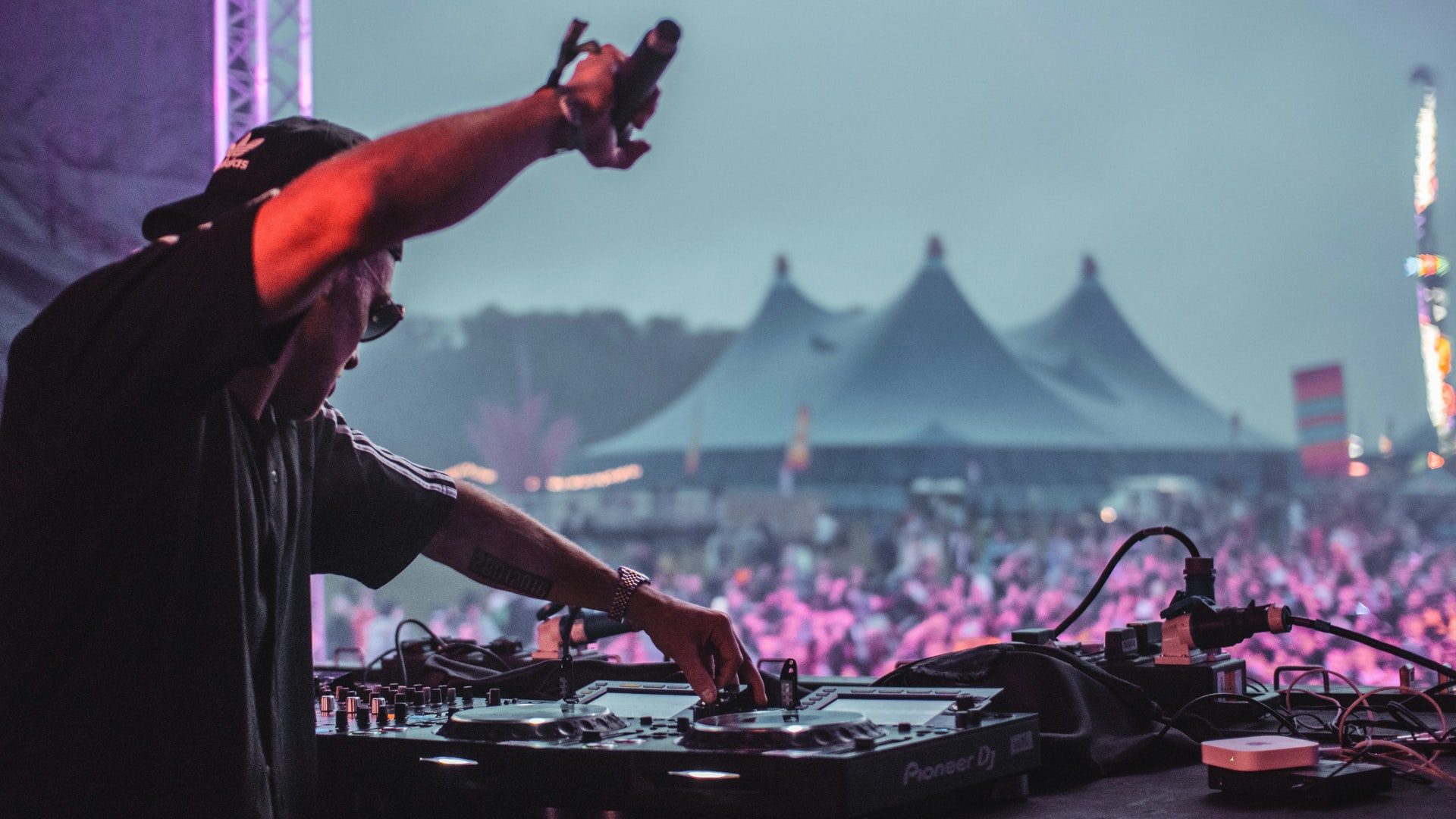
Musicians face a perfect storm of circumstances that make responsible gambling boundaries particularly crucial. The irregular income that defines most Canadian music careers creates a risky mindset around money, when paycheques arrive sporadically, the temptation to chase a quick win during a dry spell can feel especially appealing. Between festival seasons or touring blocks, musicians often experience extended downtime that leaves space for boredom and restless energy, conditions that online casinos fill all too easily.
The late-night culture surrounding gigging amplifies the risk. After wrapping a performance at midnight or later, adrenaline still coursing, many musicians find themselves wide awake with hours to kill before sleep comes. Online casinos are always open, always accessible, and designed to feel exciting during those vulnerable post-show hours when judgment isn’t at its sharpest. These tour lifestyle habits can normalize impulsive decisions that spill over into gambling behaviour.
Competition for opportunities, rejection from auditions, and the constant pressure to prove yourself creatively all generate significant stress. Without structured stress management approaches, online casinos can morph from entertainment into an unhealthy coping mechanism. The very personality traits that make someone a compelling artist, willingness to take creative risks, comfort with uncertainty, ability to envision big outcomes, can translate dangerously when applied to gambling.
Perhaps most importantly, the music community often celebrates risk-taking and unconventional choices as part of artistic identity. This cultural backdrop can make it harder to recognize when entertainment crosses into problem territory, or to speak up when a bandmate’s casino play starts affecting rehearsals, recording sessions, or tour commitments. Understanding these vulnerabilities isn’t about judgment; it’s about protecting the career and creative life you’ve worked hard to build.
Understanding Canada’s Online Casino Regulations in 2026
Canada’s online casino landscape sits at a crossroads in 2026. Unlike countries with a single national licence, gambling regulation here falls to the provinces, meaning the rules, and the protections, vary depending on where you live. If you’re a musician touring across provincial lines or working remotely, understanding this patchwork matters.
Each province operates its own platform or licenses operators to serve residents. Ontario’s iGaming Ontario regulates private operators; British Columbia runs PlayNow; Quebec has Espacejeux. Alberta regulates online gambling through AGLC, which oversees both provincial and licensed private sites. These regulated platforms must meet strict standards: player verification, secure payment processing, fair game testing, and mandatory responsible gaming safeguards built into every account.
What does that mean for you as a player? Regulated sites display their licence prominently, usually in the footer. They offer deposit limits you can set before you start, session time reminders that pop up while you play, and reality checks showing how much you’ve wagered. Self-exclusion registries let you block yourself from all licensed operators in your province with one request. These aren’t optional features; they’re baked into the system because Canadian regulators require them.
Here’s what to look for when choosing where to play. First, verify the licence: a legitimate operator will list the provincial regulator and licence number. Second, check the responsible gaming section before you deposit, can you set daily, weekly, or monthly limits? Can you impose a cooling-off period or self-exclude entirely? Third, look for transparency around payout percentages and dispute resolution. Licensed platforms publish return-to-player rates and provide clear contact information for complaints.
If you can’t find this information easily, walk away. Offshore sites without Canadian licences don’t answer to provincial regulators, don’t participate in self-exclusion programs, and won’t protect you if something goes wrong. For musicians managing irregular income and high-pressure schedules, the safeguards built into regulated platforms aren’t just legal formalities, they’re the difference between controlled entertainment and a problem that derails your career.
Essential Responsible Gaming Practices for Creative Professionals
Budgeting for Entertainment When Income Is Irregular
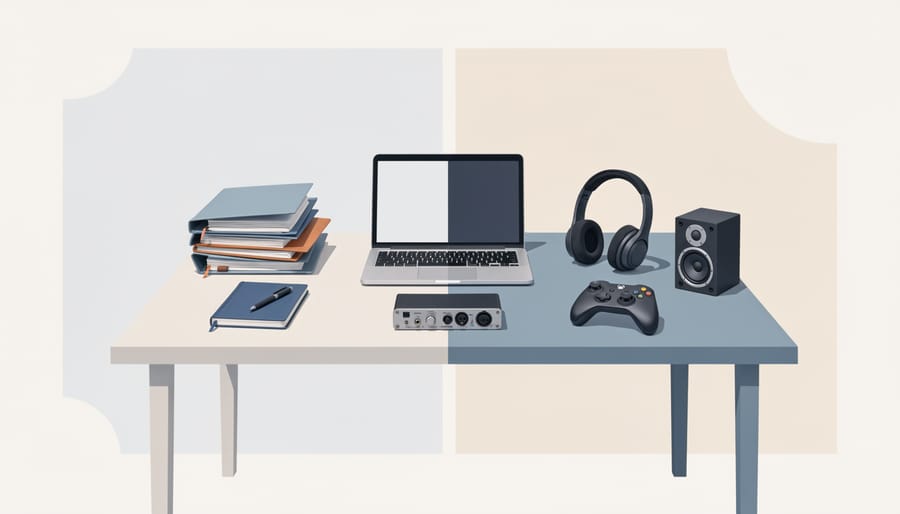
When you’re earning $3,000 one month from festival gigs and $400 the next from a quiet February, setting aside casino entertainment money feels impossible. But that unpredictability is exactly why you need a system that bends with your income rather than breaks your budget.
Start with a percentage approach instead of a fixed dollar amount. Decide on a small slice of your net income, say 2% to 5% after you’ve covered rent, gear payments, and business expenses, and earmark that for all entertainment, including online casino play. When you land a $2,000 summer festival slot, that’s $40 to $100. During lean months, it might be $10. The percentage stays constant; the actual dollars rise and fall with your reality.
Implement a 48-hour waiting period after any payment hits your account. This cooling-off window helps you resist the temptation to celebrate a big gig payout with impulsive casino play. Use those two days to pay bills, set aside tax money, and let the initial dopamine rush settle. Your entertainment budget becomes a conscious choice, not a knee-jerk reaction to seeing money in your account.
Keep your music business funds completely separate from personal entertainment money. Open a dedicated chequing account for band income, equipment purchases, and tour expenses. Your casino play, if you choose to engage in it, comes only from personal discretionary funds after business obligations are met. This firewall protects your career from entertainment decisions. If managing irregular income feels overwhelming, resources offering music finances help can provide strategies tailored to creative professionals who don’t receive steady paycheques.
Time Management and Avoiding Late-Night Impulse Play
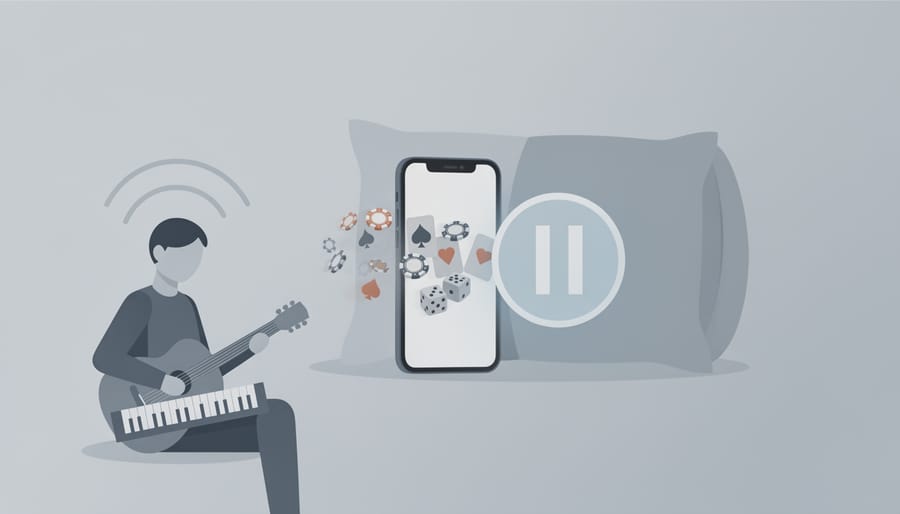
Musicians often face the riskiest moments after midnight, when adrenaline from a performance fades and exhaustion sets in. That post-gig window, when you’re wired but tired, scrolling through your phone in a quiet hotel room or back home after load-out, creates perfect conditions for impulsive online casino play. Your judgment is compromised, your emotional defenses are down, and what starts as “just unwinding for twenty minutes” can stretch into hours and hundreds of dollars you didn’t plan to spend.
The solution isn’t eliminating entertainment entirely; it’s scheduling it during hours when you’re clearheaded. If you enjoy online casino games, set specific times during the day, maybe mid-afternoon before rehearsal, or a Saturday morning when you’re rested and alert. Treat it like you’d treat any other leisure activity that requires good judgment. Many Canadian musicians find that staying grounded in routines helps maintain balance across all areas of life, including entertainment choices.
Use your phone’s app timers or screen time limits to block casino sites after 10 PM, or whenever your vulnerability window typically begins. Most regulated Canadian casino apps also offer session reminders and time limits you can configure in advance. Before you open an app, ask yourself: Am I doing this because I genuinely want to play, or because I’m avoiding how I feel right now? If the honest answer is stress, loneliness, or frustration about a gig that went poorly, close the app and choose a different outlet.
Tools and Resources Available to Canadian Players
Regulated Canadian online casinos offer a suite of tools designed to help you stay in control, and knowing what’s available, and when to use it, can make the difference between casual entertainment and a problem that affects your music career.
Most licensed operators provide deposit limits that let you cap how much money you can add to your account daily, weekly, or monthly. These work particularly well for musicians because you can align them with your income schedule, set a monthly limit right after a big gig payout to prevent overspending during the following lean weeks. You’ll find these options in your account settings, usually under “Responsible Gaming” or “My Limits.”
Reality checks are timed pop-ups that interrupt play to show how long you’ve been online and how much you’ve spent. They snap you out of that late-night autopilot mode after a show when you’re winding down. Most platforms let you customize the frequency, every 30 minutes or every hour works well if you tend to lose track of time.
| Tool | What It Does | When Musicians Should Use It |
|---|---|---|
| Deposit Limits | Caps how much you can add to your account in a set period | Right after receiving payment from gigs or royalties |
| Reality Checks | Reminds you how long you’ve played and how much you’ve spent | When playing late at night or during tour downtime |
| Self-Assessment Quiz | Evaluates your gambling patterns and identifies warning signs | If you’re unsure whether your play is becoming problematic |
| Cooling-Off Period | Temporarily suspends your account for 24 hours to several weeks | During stressful career periods or creative blocks |
| Self-Exclusion | Blocks access to your account for months or permanently | When you recognize play is harming your finances or career |
Self-assessment quizzes walk you through questions about your gambling habits and flag concerning patterns. Take one if you’re wondering whether your play has crossed a line, they’re confidential and available on most casino sites and provincial gambling authority websites.
Cooling-off periods let you take a break ranging from 24 hours to six weeks. Use these proactively when you’re heading into a busy recording session, preparing for a tour, or dealing with band conflicts, times when you need full focus and casino play would be a distraction.
Self-exclusion is the strongest tool: it blocks your access to an account for a minimum period, often six months to five years, or permanently. Each province maintains a registry that can ban you across multiple operators. This isn’t a failure; it’s a professional decision to protect your music career when you recognize play has become harmful.
Recognizing When to Seek Support
Knowing when online casino play has crossed from entertainment into a problem is crucial for protecting your music career. Some warning signs are obvious, like spending rent money or missing rehearsals, but others creep in gradually.
Watch for these patterns: chasing yesterday’s losses by playing longer or betting more today, hiding your play from bandmates or family, rationalizing “just one more session” after setting limits, using gig income or equipment funds for casino play, neglecting practice time or turning down opportunities because you’re distracted, feeling anxious or irritable when you can’t play, or borrowing money to gamble. If you’ve lied about where money went or felt shame about your play, that’s a signal worth listening to.
Musicians face unique pressures, irregular income, performance anxiety, tour isolation, that can make problem gambling harder to recognize in yourself. You might rationalize that you “deserve” entertainment after a tough gig, or that a big win could solve cash flow problems. These thought patterns are common, and they’re exactly why support exists.
Canada offers robust resources tailored to your needs. The national Problem Gambling Helpline (1-866-531-2600) provides 24/7 confidential support in multiple languages. Each province also operates its own helpline with counsellors who understand regional challenges. Gamblers Anonymous meetings run across Canada, including virtual sessions that fit touring schedules. Many counselling services now recognize the specific stressors artists face, offering sliding-scale fees and flexible scheduling.
Reaching out isn’t admitting failure, it’s the same professional discipline you’d apply to career planning tips or health concerns. Your music community needs you at your best, and getting support early prevents deeper problems down the road.
Community Voices: Canadian Musicians on Setting Boundaries
Many Canadian musicians have learned to set clear boundaries around online casino play, recognizing that protecting their creative energy and finances is fundamental to career longevity.
A Toronto session guitarist shared that after noticing late-night play sessions were affecting his studio work, he established a personal rule: casino entertainment only happens during designated downtime, never within 24 hours of a recording session or performance. This simple boundary preserved his focus when it mattered most.
A Vancouver singer-songwriter described treating casino budgets like any other entertainment expense. “I allocate a small percentage of each gig payment to fun money, separate from my music business account. When it’s gone, it’s gone until the next paycheque. This approach removed the temptation to dip into equipment or recording funds.”
Several artists emphasized the importance of transparency with bandmates and managers. One Winnipeg drummer noted that discussing entertainment boundaries openly with his band created mutual accountability. “We check in with each other about stress management, whether that’s casino play, drinking, or other habits. It’s not judgmental, just professional.”
A Halifax music teacher reflected on recognizing when casino play shifted from occasional fun to stress relief. “I realized I was logging in whenever I felt anxious about my career. Acknowledging that pattern and finding healthier coping strategies, like jamming with friends or hitting the gym, was pivotal.”
These perspectives underscore a common theme: setting boundaries demonstrates career commitment, not weakness.
Frequently Asked Questions
Here are the answers to questions we hear most often from musicians navigating online casino play in Canada.
Is online casino play legal in Canada?
Yes, online casino play is legal in Canada when you use provincially regulated sites or licensed international operators that serve Canadian players. Each province has its own regulatory approach, so check what’s available in your region.
How much is too much to spend?
If you’re spending money meant for rent, equipment, or music business expenses, or if you’re chasing losses or hiding your play from others, it’s too much. A healthy approach treats casino play as occasional entertainment with a fixed budget you can afford to lose.
What should I do if I’ve already spent too much?
Stop playing immediately and use self-exclusion tools available on regulated sites. Reach out to provincial problem gambling helplines or organizations like Gamblers Anonymous for confidential support, they understand the pressures artists face.
Where can I get help in Canada?
Every province offers free, confidential gambling support services. Contact your provincial helpline, visit a local Gamblers Anonymous meeting, or speak with a counsellor who understands the irregular income and stress challenges musicians deal with.
If you’re worried about your play but not ready to stop completely, that concern itself is valuable information. Consider taking a break using cooling-off periods or temporary self-exclusion, these tools let you step back for a set time while you assess whether casino play fits healthily into your life. Many musicians find that even a two-week pause brings clarity about their relationship with online casinos.
Talking to bandmates or your manager about gambling concerns can feel vulnerable, but framing it as protecting your career often makes the conversation easier. You might say you’re reassessing entertainment spending to focus on gear or recording, or that you want accountability around financial decisions. Most music communities respect artists who prioritize their craft and financial stability, and opening up can lead to unexpected support rather than judgment.
Your music career is built on discipline, practice, and protecting your creative energy. The same principles apply when it comes to online casino play. Treating it as occasional entertainment, with clear limits on time and money, keeps it from interfering with what truly matters: your financial stability, your ability to tour and create, and your long-term success in Canada’s competitive music scene.
If you’re finding it hard to stick to those boundaries, you’re not alone, and help is available. Canada’s regulated casino environment includes built-in safeguards and provincial support services designed to assist when things feel out of control. Reaching out to a helpline, using self-exclusion tools, or talking to someone who understands the pressures artists face isn’t a sign of weakness, it’s professionalism.
Your career depends on clear thinking, steady finances, and the freedom to focus on your craft. Protecting those things means knowing when to walk away from the screen and invest your energy where it counts. Set the limits that work for your life, use the tools available, and keep your creative future on solid ground.